Get ready for the thrill as the World Cup returns to Mexico in 2026! This post explores Mexico’s rich football history, their role as a co-host, and what it means for El Tri and passionate fans. Discover the iconic venues, the new 48-team format, and the electric atmosphere awaiting everyone for the ultimate Mexico football World Cup experience.
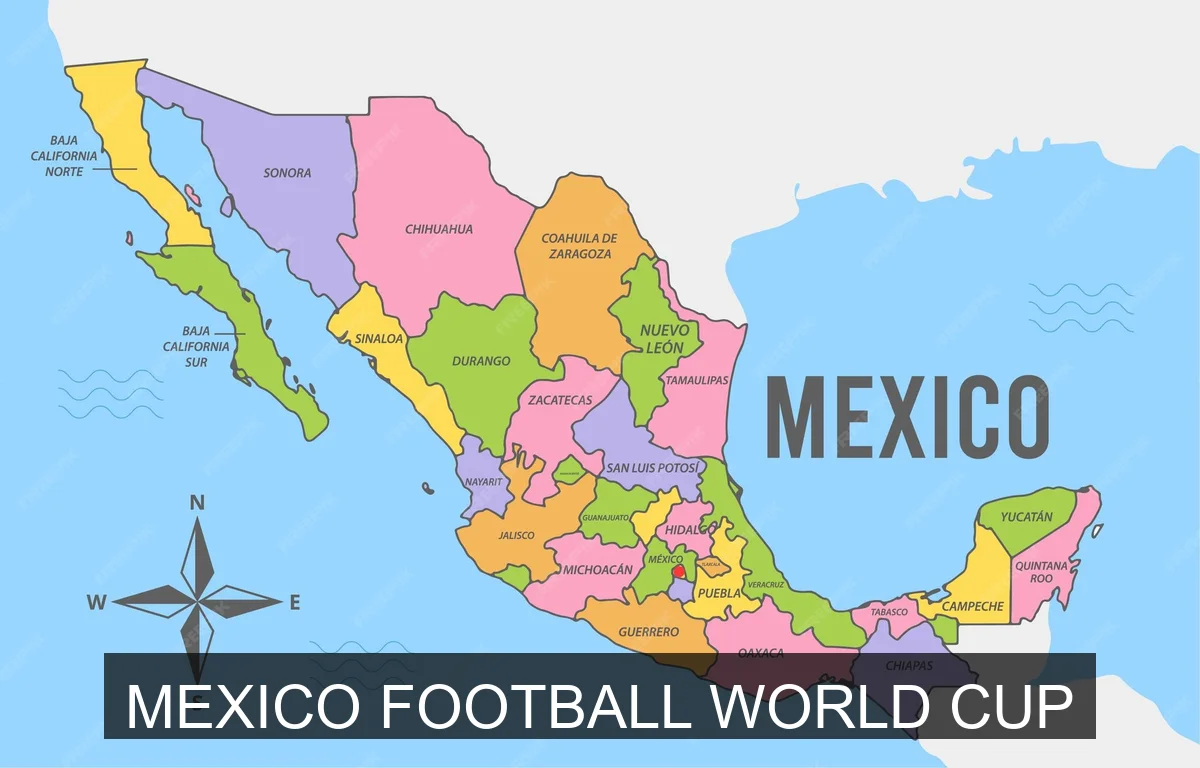
Image source: Freepik
📋 Table of Contents
- 🔹 Mexico Football World Cup: A Nation’s Passion
- 🔹 A Legacy Etched in Gold: Mexico’s World Cup History
- 🔹 The FIFA World Cup 2026: A Landmark Event
- 🔹 Mexico’s Host Cities and Legendary Venues
- 🔹 El Tri’s Journey: Automatic Qualification and High Hopes
- 🔹 The Unforgettable Fan Experience in Mexico
- 🔹 Challenges and Opportunities for Mexico 2026
- 🔹 Frequently Asked Questions About Mexico Football World Cup
- 🔹 Conclusion: The Dream Continues
Mexico Football World Cup: A Nation’s Passion
There’s nothing quite like the FIFA World Cup. It’s a global spectacle that brings people together, no matter where they are from. For football fans in Mexico, the World Cup isn’t just a tournament; it’s a way of life. The passion for the beautiful game runs deep here, a vibrant current flowing through every city and town.
Imagine the roar of the crowd, the vibrant colors, the sheer joy (and sometimes heartbreak) that fills the air. This is the essence of Mexico football World Cup fever. And guess what? That fever is about to reach unprecedented levels. In 2026, Mexico will once again be a proud host of the biggest football event on the planet.
As an avid fan and someone who has followed the game for years, I can tell you there’s a special kind of magic when the World Cup comes to a country. When it’s Mexico, that magic truly comes alive. It’s more than just matches; it’s a celebration of culture, history, and an unwavering love for football.
A Legacy Etched in Gold: Mexico’s World Cup History
Mexico’s relationship with the World Cup is long and storied. They aren’t newcomers to the hosting duties. In fact, Mexico holds a unique place in World Cup history.
Twice a Host, Twice a Legend
Mexico has already hosted the World Cup twice before. Think about that for a moment. Only a select few nations have had this honor, and Mexico stands out.
- 1970 FIFA World Cup: This tournament is legendary. It showcased some of the most beautiful attacking football ever seen. Brazil, with Pelé at its peak, lifted the trophy. The Estadio Azteca in Mexico City was the setting for the final. Fans still talk about the incredible atmosphere and the stunning goals.
- 1986 FIFA World Cup: Mexico stepped in as host after Colombia withdrew. This tournament became the stage for another football icon: Diego Maradona. His “Hand of God” goal and the unforgettable solo effort against England are moments frozen in time. Again, the Azteca hosted the final, making it the only stadium to host two World Cup finals.
These past tournaments have left an incredible legacy. They shaped generations of Mexican football fans. They showed the world Mexico’s capacity for hospitality and its deep love for the sport.
El Tri’s World Cup Journey
Beyond hosting, the Mexican national team, affectionately known as El Tri, has been a consistent presence at the World Cup. They’ve qualified for more tournaments than many other nations. Their passionate supporters travel in huge numbers, creating an electric atmosphere wherever they play.
While El Tri has consistently reached the knockout stages, they’ve famously struggled to get past the Round of 16. This “Curse of the Fourth Game” is a narrative that deeply affects fans. Every World Cup, the hope is that this will be the year they break through. The 2026 Mexico football World Cup offers a perfect opportunity to rewrite this story on home soil.
The FIFA World Cup 2026: A Landmark Event
The upcoming FIFA World Cup in 2026 is set to be truly historic. It marks several significant firsts for the tournament.
Three Nations, One Dream
For the first time ever, the World Cup will be co-hosted by three nations: the United States, Canada, and Mexico. This North American bid, often called “United 2026,” won the right to host. This collaborative effort promises an incredible spectacle across a vast region.
The idea of three distinct cultures coming together to host is thrilling. Each country brings its own flavor, its own fan traditions. For Mexico, it means sharing the global spotlight and welcoming the world back to its vibrant cities.
An Expanded Tournament: 48 Teams!
Another monumental change for 2026 is the expansion of the tournament format. Instead of the traditional 32 teams, a massive 48 national teams will compete. This means more matches, more opportunities for nations to qualify, and even more excitement for fans worldwide.
The new format will likely involve more group stage matches. This will give more teams a chance to shine on the world stage. It also means the tournament will be bigger than ever, spread across more cities and longer in duration.
For Mexico football World Cup planning, this expansion means careful coordination among the host countries. The distribution of matches, venues, and schedules will be a complex but exciting puzzle to solve.
Mexico’s Host Cities and Legendary Venues
Mexico is set to host matches in three iconic cities, each promising a unique experience for players and fans alike. These venues are more than just stadiums; they are cathedrals of football.
Mexico City: Estadio Azteca
The Estadio Azteca in Mexico City is a truly legendary stadium. As mentioned, it’s the only stadium in the world to host two World Cup finals. It’s a coliseum of football history, echoing with the cheers of past glories. This grand venue will now host matches for a third World Cup.
Imagine stepping into a stadium that has witnessed Pelé, Maradona, and countless other legends. The atmosphere here is simply electric, a pulsating wave of sound and color. The Azteca is expected to host significant matches, possibly even an opening ceremony game for Mexico.
Guadalajara: Estadio Akron
Guadalajara, a city known for its tequila and mariachi music, will host matches at the Estadio Akron. This modern stadium is home to Club Deportivo Guadalajara, one of Mexico’s most popular teams. It boasts a distinctive design and excellent facilities.
Guadalajara offers a wonderful blend of tradition and modernity. Fans visiting this city will experience rich Mexican culture alongside top-tier football. The stadium is expected to provide a fantastic backdrop for World Cup action.
Monterrey: Estadio BBVA
In the north, Monterrey will showcase its passion for football at the Estadio BBVA. This state-of-the-art stadium, often called “El Gigante de Acero” (The Steel Giant), is known for its stunning architecture and impressive fan experience. It is home to CF Monterrey, another giant of Mexican football.
Monterrey is a bustling industrial hub with a strong footballing tradition. The Estadio BBVA offers excellent comfort and viewing experiences. It promises to be a fantastic venue for World Cup matches, drawing in fans from both sides of the border.
The exact number of matches each city will host is still to be officially confirmed. However, Mexico is expected to host around 10 games, with the Azteca likely to get the lion’s share, including crucial group stage Mexico football World Cup encounters.
El Tri’s Journey: Automatic Qualification and High Hopes
One of the biggest advantages for Mexico in 2026 is automatic qualification. As a host nation, El Tri doesn’t have to endure the grueling qualification rounds. This changes everything for their preparation.
Preparation is Key
Without the pressure of qualifiers, the national team can focus entirely on building a strong squad. They can experiment with tactics, blood new players, and participate in high-profile friendly matches against top international teams. This focused preparation could be a game-changer for their performance.
The head coach will have ample time to scout talent, develop chemistry, and fine-tune the team’s strategy. This is a luxury most World Cup participants don’t have. It’s an opportunity for El Tri to finally address that “fourth game” challenge.
Key Players and Expectations
It’s still early to predict the exact squad for 2026. However, we can expect a mix of seasoned veterans and exciting young talent. Players like Edson Álvarez and Santiago Giménez are likely to be key figures. Keep an eye out for emerging stars who will aim to make their mark on home soil.
The expectations will be immense. Playing at home, with the fervent support of their fans, El Tri will be under pressure to perform. The dream of reaching the quarterfinals, or even further, has never felt more tangible. The entire nation will be united in cheering on their team in the Mexico football World Cup.
The Unforgettable Fan Experience in Mexico
For any football fan planning to attend the Mexico football World Cup, prepare for an experience like no other. Mexico offers a vibrant, immersive journey beyond the 90 minutes on the pitch.
Passion and Atmosphere
Mexican football fans are among the most passionate in the world. They bring incredible energy, color, and noise to every match. The stadiums will be a riot of green, white, and red. Chants, songs, and trumpets will create an unforgettable soundtrack. The atmosphere alone is worth the trip.
Outside the stadiums, fan zones and public viewing areas will buzz with excitement. Mexicans are incredibly hospitable. Visitors will feel welcomed and quickly caught up in the festive spirit.
Culture, Food, and Hospitality
Beyond football, Mexico offers a rich tapestry of culture. Explore ancient ruins, vibrant markets, and world-class museums. Indulge in some of the most delicious cuisine on the planet. From street tacos to gourmet dining, Mexican food is a sensory delight.
The country’s hospitality is legendary. Mexicans love to share their culture and their passion for life. This will make the 2026 World Cup an incredible travel experience, not just a sporting event.
Tips for Traveling Fans
If you’re planning to attend, here are a few friendly tips:
- Learn some Spanish: Even a few basic phrases will go a long way.
- Embrace public transport: Mexico City has an excellent metro system.
- Stay hydrated: The climate can be warm, especially in central Mexico.
- Try the local food: Be adventurous!
- Book accommodation early: Demand will be high for the Mexico football World Cup.
Challenges and Opportunities for Mexico 2026
Hosting such a massive event comes with its own set of challenges and opportunities.
Potential Challenges
- Logistics and Infrastructure: Managing the influx of fans across three host cities and coordinating with two other nations requires impeccable planning. Transport, accommodation, and security will be key.
- High Expectations: As a co-host and a team with a strong footballing identity, El Tri will face immense pressure to perform well, especially to break their Round of 16 curse.
- Environmental Concerns: Hosting a global event always raises questions about its environmental impact. Sustainable practices will be important.
Great Opportunities
- Economic Boost: The World Cup will bring significant tourism revenue, job creation, and international exposure for Mexico.
- National Pride: Hosting the World Cup once again will be a huge source of national pride and unity for Mexicans.
- Football Development: The focus and investment around the tournament can leave a lasting legacy for youth football and infrastructure. It can inspire a new generation of players.
- Showcasing Culture: It’s a chance for Mexico to showcase its vibrant culture, incredible hospitality, and beautiful landscapes to billions around the globe.
The Mexico football World Cup is more than just games; it’s a platform for growth and global connection.
Frequently Asked Questions About Mexico Football World Cup
| Question | Answer |
|---|---|
| Will Mexico qualify automatically for the 2026 World Cup? | Yes, as a co-host nation, Mexico automatically qualifies for the tournament. This takes away the stress of the qualifying rounds. |
| How many cities in Mexico will host matches? | Mexico will host matches in three cities: Mexico City (Estadio Azteca), Guadalajara (Estadio Akron), and Monterrey (Estadio BBVA). |
| How many matches is Mexico expected to host? | The exact number is still being finalized, but Mexico is expected to host around 10 matches of the expanded 48-team tournament. |
| What makes the Estadio Azteca special for the World Cup? | The Estadio Azteca is unique because it’s the only stadium in the world to have hosted two FIFA World Cup finals (1970 and 1986). It will now host games for a third World Cup. |
| What are the main goals for El Tri in 2026? | With home advantage and automatic qualification, the primary goal for El Tri will be to break their “Round of 16 curse” and advance deeper into the tournament, aiming for the quarterfinals or beyond. |
Conclusion: The Dream Continues
The return of the World Cup to Mexican soil in 2026 is truly exciting. It’s an event that promises to be a vibrant fusion of footballing excellence and rich cultural celebration. For fans worldwide, it’s an invitation to experience the unique magic of Mexico football World Cup firsthand.
For El Tri, it’s a golden opportunity to create new history, powered by the incredible support of their home crowd. The dream of a deep run in the tournament feels more real than ever. The stadiums will roar, the cities will pulsate with life, and the world will watch as Mexico once again opens its arms to football’s greatest spectacle.
Are you planning to travel to Mexico for the World Cup? What are your hopes for El Tri? Share your thoughts and predictions in the comments below! Let’s keep the football conversation going!